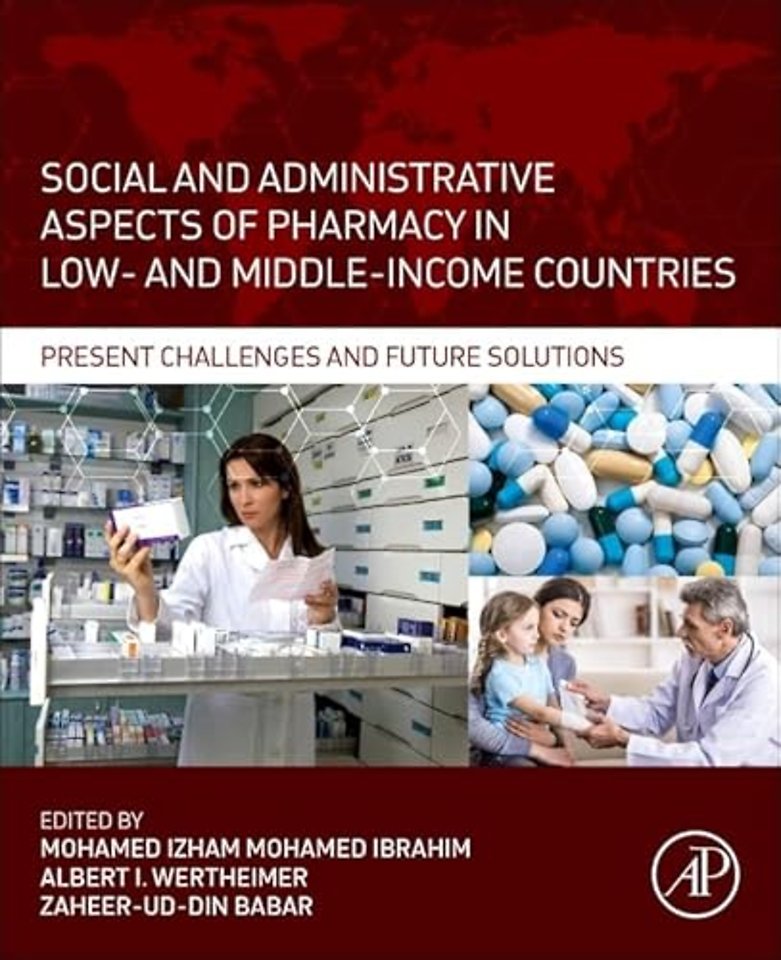
<p>1. Introduction: Discovering Issues and Challenges in Low- and Middle-Income Countries<br><br>Section I: Socio-behavioral Aspects of Medicines Used in Low- and Middle-Income Countries<br>2. Socio-Behavioral Aspects of Medicine Used in Low- and Middle-Income Countries<br>3. Patients’, Consumers’ and Healthcare Professionals’ Perceptions, Beliefs, Knowledge, Attitudes and Practices Towards the Use of Medicines<br>4. The Use of Measurements and Health Behavioral Models to Improve Medication Adherence</p> <p>Section II: Pharmaceutical Promotion in Low- and Middle-Income Countries<br>5. Academic Detailing in Low- and Middle-Income Countries: Principles, Use, Impact and Lessons Learned<br><br>Section III: Economic Evaluation and Medicine Expenditure in Low- and Middle-Income Countries<br>6. Economic Evaluation and Medicine Expenditure in Low- and Middle-Income Countries<br>7. Medicine Pricing Policy and Strategies in Low- and Middle-Income Countries: A Review <br>8. Economic Evaluation of Predominant Disease in Low- and Middle-Income Countries: Diabetes Mellitus<br><br>Section IV: Pharmacovigilance and Patient Safety in Low- and Middle-Income Countries<br>9. Pharmacovigilance Practices and Activities: Issues, Challenges, and Future Direction<br>10. Behavioral Aspects of Pharmacovigilance: Research Methods Considerations<br>11. Knowledge, Attitude, and Practice of Pharmacovigilance in Low- and Middle-Income Countries<br><br>Section V: Generic Medicines Used in Low- and Middle-Income Countries<br>12. Overcoming Challenges of Generic Medicine Utilization in Low- and Middle-Income Countries: Lessons Learned from International Experiences<br>13. Assessment of Policies, Determinants and Characteristics of Generic Medicine Entry into the Pharmaceutical Markets<br><br>Section VI: Rational and Responsible Medicine Use in Low- and Middle-Income Countries<br>14. Misconceptions and Misues of Drugs by Prescribers, Dispensers and Consumers<br>15. Strengths and Weaknesses of Pharmaceutical Policy in Relation to Rational and Responsible Medicines Use<br>16. Rational and Responsible Medicines Use<br><br>Section VII: Quality of Public Health Pharmacy Services in Low- and Middle-Income Countries<br>17. Quality of Pharmacy Health Services<br>18. Assessment of Medicine Dispensing and Extended Community Pharmacy Services<br>19. Enhancing Quality of Patient-Centered Care Services in Low- and Middle-Income Countries: Pharmaceutical Care Approach<br>20. Politics and Competition between Professions: Future Scope of Pharmacy Practice<br><br>Section VIII: Medicine Quality: Substandard and Counterfeit Medicine in Low- and Middle-Income Countries<br>21. Perspective, Knowledge, Attitude, and Belief of Various Stakeholders on Medicines Quality: Counterfeit and Substandard Medicines<br><br>Section IX: Medicine Information and Health Literacy in Low- and Middle-Income Countries<br>22. Issues on Source, Access, Extent and Quality of Information Available Among Pharmacists and Pharmacy Personnel to Practice Effectively<br><br>Section X: Good Governance and Pharmaceutical Policy in Low- and Middle-Income Countries<br>23. Problems and Obstacles of Low- and Middle-Income Countries in Having Good Governance and Quality and Effective Pharmaceutical Policy<br>24. Pharmacogovernance: Advancing Pharmacovigilance and Patient Safety<br>25. Pharmaceutical Policy: Synthesis, Themes and Future Directions</p>