Samenvatting
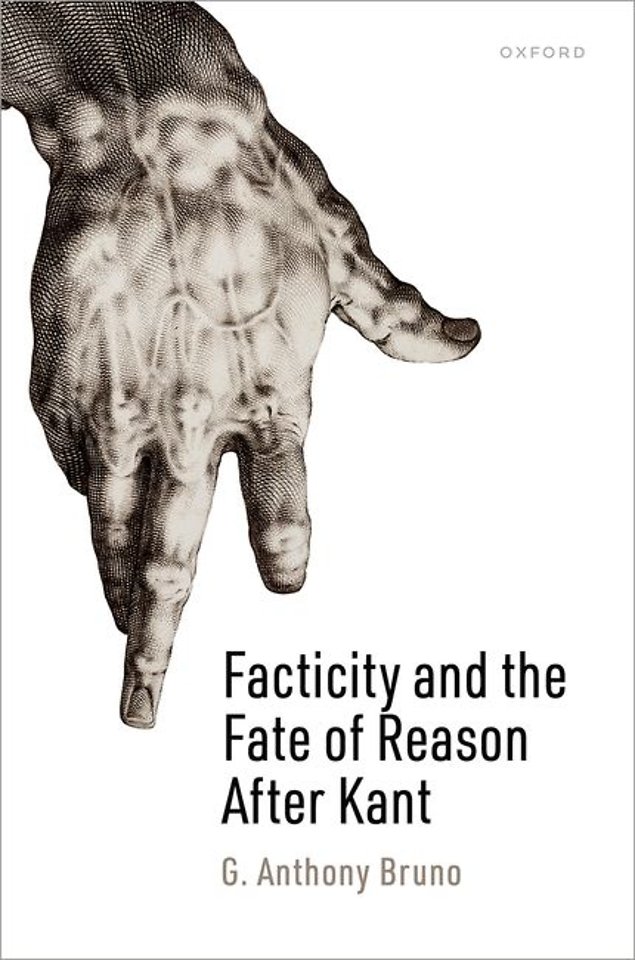
Facticity and the Fate of Reason After Kant is the first history of the concept of facticity. G. Anthony Bruno argues that this concept's coining, transmission, and repurposing by post-Kantian thinkers leaves a lasting divide concerning the question of whether a science of intelligibility can tolerate brute facts. In the phenomenological tradition, 'facticity' denotes undeducibly brute conditions of intelligibility such as sociality, mortality, and temporality. This suggests an affirmative answer to the post-Kantian question. However, the term's original use in the German idealist tradition is associated with a negative answer: a science of intelligibility must eliminate bruteness in order to be systematic, as Fichte says, or presuppositionless, as Hegel says. Moreover, eliminating bruteness requires a new logic for deducing conditions of intelligibility from reason's self-contradictions, a dialectical logic that Fichte invents and Hegel develops. In response to the German idealists, Heidegger argues that dialectic ineluctably presupposes brute facts of lived experience, whose interpretation requires a hermeneutics of facticity. The untold history of the concept of facticity thus contains the deepest parting of the ways after Kant, one in which reason is fated to transform from the hand that holds the world to the thrown activity of being-in-the-world. Facticity and the Fate of Reason After Kant explores this transformation while confronting our inheritance of the still-pressing post-Kantian question.