, , , e.a.

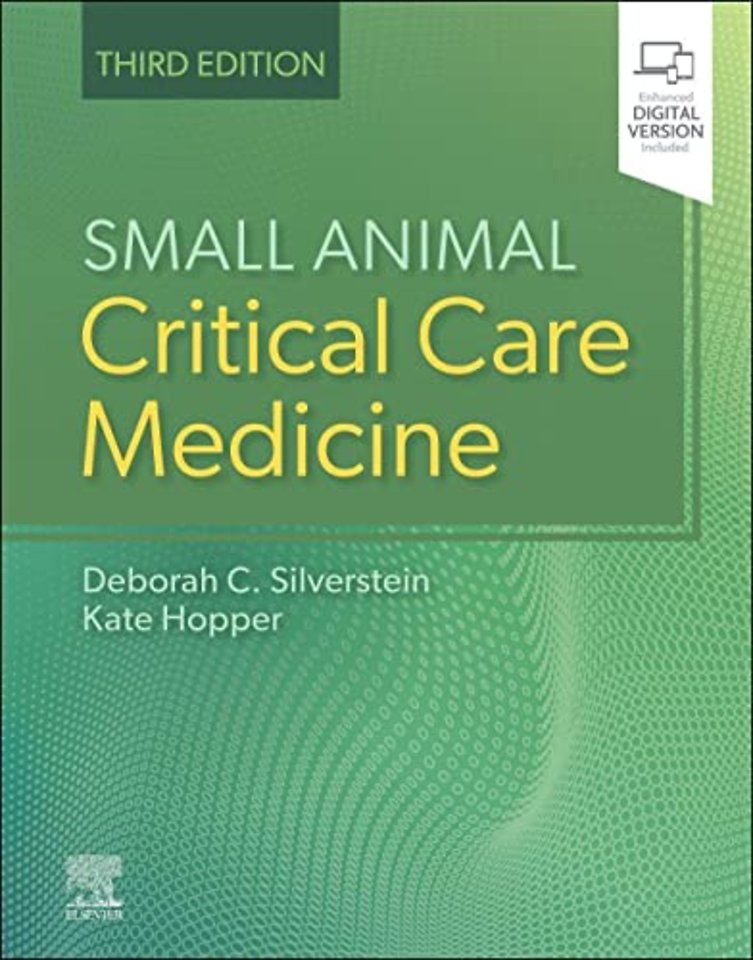
Small Animal Critical Care Medicine

Specificaties
Gebonden, blz. | Engels
Elsevier Health Sciences | 2022
ISBN13: 9780323764698
Rubricering
Elsevier Health Sciences e druk, 2022 9780323764698
€ 148,49
Levertijd ongeveer 9 werkdagen
Gratis verzonden

Samenvatting

The 3rd edition of your #1 go-to resource for veterinary critical care, Small Animal Critical Care Medicine, has been significantly updated to focus specifically on diagnostic and management strategies for the sickest veterinary patients. It covers critical care medical therapy, monitoring, and prognosis — from assessment and stabilization through the entire course of intensive care treatment. To make therapeutic decisions easier, clear and practical guidelines address underlying clinical findings, pathophysiology, outpatient follow-up, and long-term care. Editors Deborah Silverstein and Kate Hopper, along with leading experts from the veterinary emergency and critical care profession, have created this indispensable resource to help you and your team provide the highest standard of care for your critically ill patients.Over 200 concise, thoroughly updated chapters cover all the clinical areas needed for evaluating, diagnosing, managing, and monitoring a critical veterinary patientMore than 150 recognized experts and many new authors offer in-depth, authoritative guidance on emergency and critical care clinical situations from a variety of perspectivesA problem-based approach focuses on clinically relevant detailsHundreds of full-color illustrations with updated photos and videos depict various emergency procedures, such as chest tube placementHandy appendices offer quick access to the most often needed calculations, conversion tables, continuous rate infusion determinations, reference ranges, and morePractical, user-friendly format makes reference quick and easy with summary tables, boxes highlighting key points, illustrations, and algorithmic approaches to diagnosis and managementNEW! Coverage of high-flow nasal oxygen therapy and both core and advanced concepts for mechanical ventilation helps you deliver high-quality care to patients with respiratory failureNEW! Chapters on current critical care topics include Assessment of Intravascular Volume, Urine Osmolality and Electrolytes, and Infectious Disease Control in the ICUNEW! Chapters on novel procedures offer coverage of tracheal stents, urinary diversion techniques, and an in-depth review of point-of-care ultrasound with extensive figures and imagesNEW! Coverage of increasingly prevalent problems seen in the intensive care unit includes coagulation disorders of the critically ill patient, feline aortic thromboembolism, oxygen toxicity, and treatment of severe hypertensionNEW! Chapters on shock fluid therapy and transfusion therapy provide cutting edge information on how to prevent complications and maximize resourcesNEW! Prevention of Compassion Fatigue and Burnout chapter addresses this major challenge currently affecting the veterinary professionNEW! Algorithms and figures throughout the text clarify key concepts and aid in diagnosis and treatmentNEW! Enhanced eBook, included with the purchase of a new print copy of the book, provides online access to a fully searchable version of the text and makes its content available on various devicesUPDATED! Coagulation section includes chapters on hemostasis, management of the bleeding patient, coagulation and platelet monitoring, and viscoelastic monitoringEXPANDED! Pharmacology section offers coverage of cannabis, trazadone, gabapentin, pimobendane, and appetite stimulants

Specificaties

ISBN13:9780323764698
Taal:Engels
Bindwijze:Gebonden

Inhoudsopgave

PART I Key Critical Care Concepts<br>1 Evaluation and Triage of the Critically Ill Patient<br>2 Physical Examination and Daily Assessment of the Critically Ill Patient<br>3 Hemostasis<br>4 Cardiopulmonary Resuscitation<br>5 Postcardiac Arrest Care<br>6 Classification and Initial Management of Shock States<br>7 SIRS, MODS, and Sepsis<br>8 Oxygen Toxicity<br>9 The Endothelial Surface Layer<br>10 Hyperthermia and Fever<br>11 Interstitial Edema<br>12 Patient Suffering in the Intensive Care Unit<br>13 Predictive Scoring Systems in Veterinary Medicine<br><br>PART II Respiratory Disorders<br>14 Control of Breathing<br>15 Oxygen Therapy<br>16 Hypoxemia<br>17 Hypoventilation<br>18 Upper Airway Disease<br>19 Tracheal Collapse: Management & Indications for Tracheal Stents<br>20 Feline Bronchopulmonary Disease<br>21 Lower Airway Disease in Dogs<br>22 Pulmonary Hypertension<br>23 Pulmonary Edema<br>24 Pneumonia<br>25 Acute Respiratory Distress Syndrome<br>26 Pulmonary Contusions and Hemorrhage<br>27 Pulmonary Thromboembolism<br>28 Chest Wall Disease<br>29 Pleural Space Disease<br>30 Respiratory Distress Look-Alikes<br><br>PART III Advanced Respiratory Support<br>31 High Flow Nasal Oxygen<br>32 Mechanical Ventilation—Core Concepts<br>33 Mechanical Ventilation—Advanced Concepts<br>34 Jet Ventilation<br>35 Ventilator Waveforms<br>36 Anesthesia and Monitoring of the Ventilator Patient<br>37 Nursing Care of the Ventilator Patient<br>38 Discontinuing Mechanical Ventilation<br>39 Ventilator-induced Lung Injury<br>40 Ventilator-Associated Pneumonia<br><br>Part IV Cardiovascular Disorders<br>41 Mechanisms of Heart Failure<br>42 Ventricular Failure and Myocardial Infarction<br>43 Feline Cardiomyopathy<br>44 Canine Cardiomyopathy<br>45 Canine Myxomatous Mitral Valve Disease<br>46 Blunt Cardiac Injury<br>47 Pericardial Diseases<br>48 Bradyarrhythmias and Conduction Disturbances<br>49 Supraventricular Tachyarrhythmias<br>50 Ventricular Tachyarrhythmias<br>51 Myocarditis<br>52 Cardiac Biomarkers<br>53 Systemic Hypertension<br>54 Cardiopulmonary Bypass<br><br>PART V Electrolyte and Acid-Base Disturbances<br>55 Sodium Disorders<br>56 Potassium Disorders<br>57 Calcium Disorders<br>58 Magnesium and Phosphate Disorders<br>59 Traditional Acid-Base Analysis<br>60 Nontraditional Acid-Base Analysis<br>61 Hyperlactatemia<br>62 Urine Osmolality and Electrolytes<br><br>PART VI Fluid Therapy<br>63 Assessment of Hydration<br>64 Assessment of Intravascular Volume<br>65 Crystalloids and Hemoglobin-Based Oxygen-Carrying Solutions<br>66 Colloid Solutions<br>67 Daily Intravenous Fluid Therapy<br>68 Shock Fluids and Fluid Challenge<br>69 Transfusion Medicine<br>70 Blood Types, Pretransfusion Compatibility, and Transfusion Reactions<br>71 Hemorrhagic Shock<br><br>PART VII Endocrine Disorders<br>72 The Diabetic Patient in the ICU<br>73 Diabetic Ketoacidosis<br>74 Hyperglycemic Hyperosmolar Syndrome<br>75 Hypoglycemia<br>76 Diabetes Insipidus<br>77 Syndrome of Inappropriate Antidiuretic Hormone Secretion<br>78 Thyroid Storm<br>79 Hypothyroid Crisis in the Dog<br>80 Pheochromocytoma<br>81 Critical Illness-Related Corticosteroid Insufficiency<br>82 Hypoadrenocorticism<br><br>PART VIII Neurologic Disorders<br>83 Neurological Evaluation of the ICU Patient<br>84 Seizures and Status Epilepticus<br>85 Intracranial Hypertension<br>86 Tetanus<br>87 Hepatic Encephalopathy<br><br>Part IX Infectious Disorders<br>88 Hospital-Associated Infections and Zoonoses<br>89 Febrile Neutropenia<br>90 Sepsis and Septic Shock<br>91 Bacterial Infections<br>92 Fungal Infections<br>93 Viral Infections<br>94 Canine Parvovirus Infection<br>95 Infective Endocarditis<br>96 Urosepsis<br>97 Necrotizing Soft Tissue Infections<br>98 Catheter-Related Bloodstream Infections<br>99 Multidrug-Resistant Infections<br>100 Infectious Disease Control in the ICU<br><br>PART X Hematologic Disorders<br>101 Hypercoagulable States<br>102 Feline Aortic Thromboembolism<br>103 Platelet Disorders<br>104 Coagulopathy in the ICU<br>105 Management of the Bleeding Patient in the ICU<br>106 Anemia in the ICU<br>107 Dyshemoglobinemias<br>108 Acute Hemolytic Disorders<br><br>PART XI Intraabdominal Disorders<br>109 Acute Abdominal Pain<br>110 Acute Pancreatitis<br>111 Acute Cholecystitis<br>112 Hepatitis and Cholangiohepatitis<br>113 Hepatic Failure<br>114 Portal Hypertension<br>115 Portosystemic Shunt Management<br>116 Acute Gastroenteritis<br>117 Gastrointestinal Hemorrhage<br>118 Regurgitation and Vomiting<br>119 Diarrhea<br>120 Peritonitis<br><br>PART XII Urogenital Disorders<br>121 Acute Kidney Injury<br>122 Chronic Kidney Disease<br>123 Kidney Transplantation<br><br>PART XIII Nutrition<br>124 Nutritional Assessment<br>125 Nutritional Modulation of Critical Illness<br>126 Enteral Nutrition<br>127 Parenteral Nutrition<br><br>PART XIV Trauma<br>128 Traumatic Brain Injury<br>129 Wound Management<br>130 Thermal Burn Injury<br><br>PART XV Anesthesia and Pain Management<br>131 Pain Assessment<br>132 Sedation of the Critically Ill Patient<br>133 Anesthesia in the Critically Ill Patient<br>134 Analgesia and Constant Rate Infusions<br>135 Physical Rehabilitation for the Critical Care Patient<br>136 Integrative Veterinary Medicine for the Intensive Care Unit Patient<br><br>PART XVI Environmental Emergencies<br>137 Smoke Inhalation<br>138 Hypothermia<br>139 Heat Stroke<br>140 Drowning and Submersion Injury<br><br>PART XVII Miscellaneous Disorders<br>141 Anaphylaxis<br>142 Gas Embolism<br>143 Subcutaneous Emphysema<br>144 Ocular Disease in the Intensive Care Unit<br>145 Critically Ill Neonatal and Pediatric Patients<br>146 Critically Ill Geriatric Patients<br><br>PART XVIII Pharmacology<br>147 Catecholamines<br>148 Vasopressin<br>149 Antihypertensives<br>150 Pimobendan<br>151 Diuretics<br>152 Appetite Stimulants<br>153 Gastrointestinal Protectants<br>154 Antiemetics and Prokinetics<br>155 Opioid Agonists and Antagonists<br>156 Benzodiazepines<br>157 a2-Agonists and Antagonists<br>158 Nonsteroidal Antiinflammatory Drugs<br>159 Gabapentin<br>160 Tramadol<br>161 Trazodone<br>162 Cannabinoid Medicine in Intensive Care Unit Patients<br>163 Anticonvulsants<br>164 Antiplatelet Drugs<br>165 Anticoagulants<br>166 Thrombolytic Agents<br>167 Hemostatic Drugs<br>168 Antiarrhythmic Agents<br>169 Inhaled Medications<br>170 Complications of Chemotherapy Agents<br>171 Antitoxins and Antivenoms<br><br>PART XIX Antimicrobial Therapy<br>172 Antimicrobial Use in the Critical Care Patient<br>173 b-Lactam Antimicrobials<br>174 Aminoglycosides<br>175 Fluoroquinolones<br>176 Antifungal Therapy<br>177 Miscellaneous Antibiotics<br><br>PART XX Extracorporeal Therapy<br>178 Renal Replacement Therapies<br>179 Apheresis<br>180 Extracorporeal Therapies for Blood Purification<br><br>Part XXI Monitoring<br>181 Hemodynamic Monitoring<br>182 Cardiac Output Monitoring<br>183 Electrocardiogram Evaluation<br>184 Oximetry Monitoring<br>185 Colloid Osmotic Pressure and Osmolality<br>186 Coagulation and Platelet Monitoring<br>187 Viscoelastic Monitoring<br>188 Intraabdominal Pressure Monitoring<br>189 Point-of-Care Ultrasound in the ICU<br>190 Capnography<br>191 Intracranial Pressure Monitoring<br>192 Urine Output<br><br>PART XXII Procedures<br>193 Peripheral Venous Catheterization<br>194 Intraosseous Catheterization<br>195 Central Venous Catheterization<br>196 Blood Film Evaluation<br>197 Endotracheal Intubation and Tracheostomy<br>198 Thoracocentesis<br>199 Thoracostomy Tube Placement and Drainage<br>200 Abdominocentesis<br>201 Arterial Catheterization<br>202 Blood Gas Sampling<br>203 Temporary Cardiac Pacing<br>204 Cardioversion<br>205 Defibrillation<br>206 Cerebrospinal Fluid Sampling and Interpretation<br>207 Urinary Catheterization<br>208 Urinary Diversion Techniques<br><br>PART XXIII Intensive Care Unit Design and Management<br>209 Intensive Care Unit Facility Design<br>210 Management of the Intensive Care Unit<br>211 Client Communication, Grief, and Veterinary Wellness<br>212 Prevention of Compassion Fatigue and Burnout
€ 148,49
Levertijd ongeveer 9 werkdagen
Gratis verzonden

Rubrieken

    Personen

      Trefwoorden

        Small Animal Critical Care Medicine