,

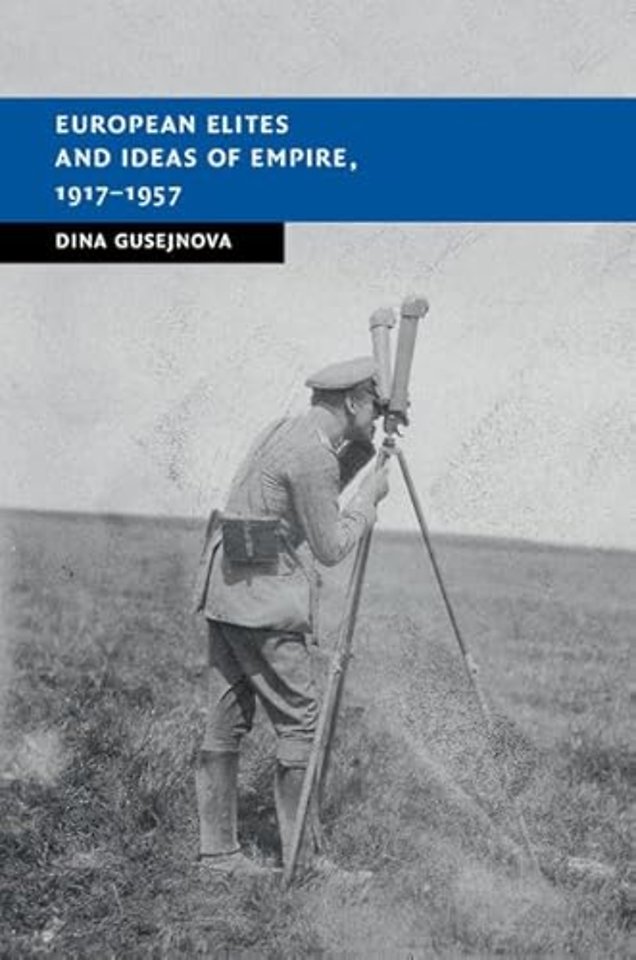
European Elites and Ideas of Empire, 1917–1957

Specificaties
Gebonden, 360 blz. | Engels
Cambridge University Press | 2016
ISBN13: 9781107120624
Rubricering
Cambridge University Press e druk, 2016 9781107120624
Onderdeel van serie New Studies in Europ
€ 118,32
Levertijd ongeveer 9 werkdagen
Gratis verzonden

Samenvatting

Who thought of Europe as a community before its economic integration in 1957? Dina Gusejnova illustrates how a supranational European mentality was forged from depleted imperial identities. In the revolutions of 1917 to 1920, the power of the Hohenzollern, Habsburg and Romanoff dynasties over their subjects expired. Even though Germany lost its credit as a world power twice in that century, in the global cultural memory, the old Germanic families remained associated with the idea of Europe in areas reaching from Mexico to the Baltic region and India. Gusejnova's book sheds light on a group of German-speaking intellectuals of aristocratic origin who became pioneers of Europe's future regeneration. In the minds of transnational elites, the continent's future horizons retained the contours of phantom empires. This title is available as Open Access.

Specificaties

ISBN13:9781107120624
Taal:Engels
Bindwijze:Gebonden
Aantal pagina's:360

Inhoudsopgave

Part I. Celebrity of Decline: 1. Famous deaths: subjects of imperial decline; 2. Shared horizons: the sentimental elite in the Great War; Part II. Power of Prestige: 3. Soft power: pan-Europeanism after the Habsburgs; 4. The German princes: an aristocratic fraction in the democratic age; 5. Crusaders of civility: the legal internationalism of the Baltic Barons; Part III. Phantom Empires: 6. Knights of many faces: the dream of chivalry and its dreamers; 7. Apostles of elegy: Bloomsbury's continental connections; Epilogue; Bibliography; Index.
€ 118,32
Levertijd ongeveer 9 werkdagen
Gratis verzonden

Rubrieken

    Personen

      Trefwoorden

        European Elites and Ideas of Empire, 1917–1957