Nikolai M. Rubtsov,
Boris S. Seplyarskii,
Michail I. Alymov
Springer International Publishing
e druk, 2020
9783030578909
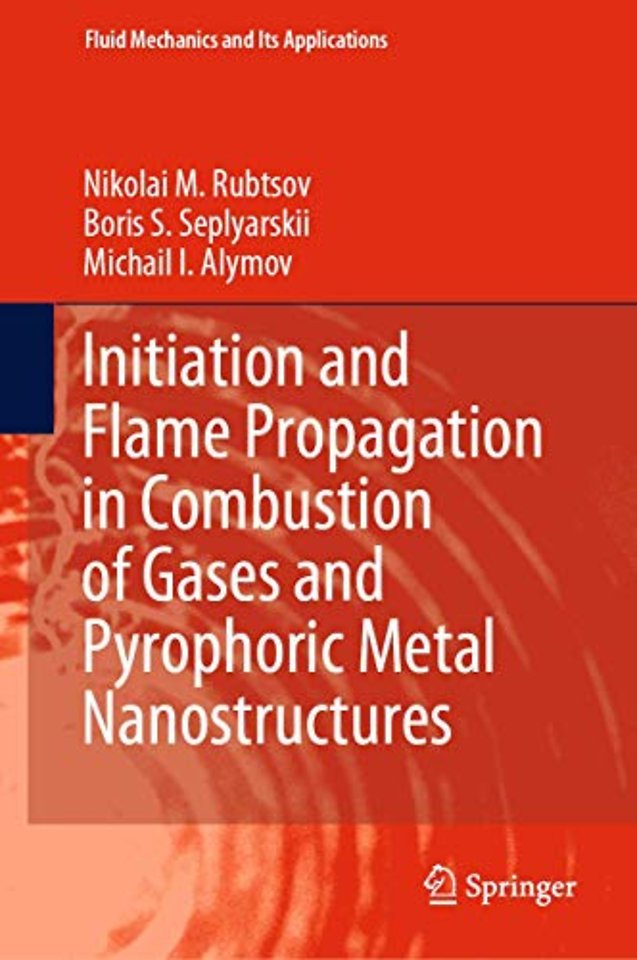
Initiation and Flame Propagation in Combustion of Gases and Pyrophoric Metal Nanostructures
Specificaties
Gebonden, blz.
|
Engels
Springer International Publishing |
2020
ISBN13: 9783030578909
Rubricering
Onderdeel van serie
Fluid Mechanics and Its Applications
Levertijd ongeveer 9 werkdagen
Gratis verzonden
Samenvatting
This book presents new data on combustion processes for practical applications, discussing fire safety issues in the development of flame arresters and the use of noble metals in hydrogen recombiners for nuclear power plants. It establishes the basic principles of production of metal nanostructures, namely nanopowders of metals and compact products made of them, with the preservation of the unique properties of nanoproducts.
Specificaties
ISBN13:9783030578909
Taal:Engels
Bindwijze:gebonden
Uitgever:Springer International Publishing
Inhoudsopgave
<p>Preface………………………………………………………………………………………2</p>
<p>Acknowledgments…………………………………………………………………………..9</p>
Contents……………………………………………………………………………………..9<p></p>
<p>Introduction…………………………………………………………………………………11</p>
<p>Chapter I. Gas-dynamic factors in combustion processes …………………………………24</p>
<p>Introduction to Chapter I……………………………………………………………………24</p>
<p>§1. Penetration of the laminar flames of natural gas–oxygen mixtures through </p>
<p>conical obstacles…………………………………………………………………………….34</p>
<p>§2. The features of penetration of methane-oxygen flames through flat obstacles with several openings……………………………………………………………………………………..40</p>
<p>§3. Interaction of laminar flames of natural gas-oxygen mixtures with planar obstacles with asymmetrical openings………………………………………………………………………48 </p>
<p>§4. Catalytic activity of platinum and palladium in gaseous reactions of hydrogen and methane oxidation at low pressures……………………………………………………………………55</p>
<p>§ 5. Thermoacoustic regimes of combustion of n-pentane-air mixtures in the region of negative temperature coefficient………………………………………………………………………..62</p>
<p>§6. The features of combustion of hydrogen and methane in oxygen and air in the presence of difluorodichloromethane additives……………………………………………………………71</p>
<p>References to Chapter I………………………………………………………………………..85</p>
<p>Conclusions to Chapter I……………………………………………………………………….95</p>
<p>Chapter II</p>
<p>Ignition and combustion of the mixtures of hydrogen and hydrocarbons with air and oxygen over noble metals……………………………………………………………………………………97</p>
<p>Introduction to Chapter II………………………………………………………………………97</p>
§1. Experimental study of methane combustion over metallic palladium upon flame penetration through obstacles………………………………………………………………………………101<p></p>
<p>§2. The features of hydrogen ignition over Pt and Pd foils at low pressures………………….107</p>
<p>§3. Study of combustion of hydrogen–air and hydrogen–methane–air mixtures over the palladium metal surface using a hyperspectral sensor and high-speed color filming……………………114.</p>
<p>§4. Ignition of hydrogen-hydrocarbon (C<sub>1</sub>-C<sub>6</sub>) -air mixtures over Pd at pressures 1÷2 atm…124 </p>
<p>§5. Ignition of hydrogen-oxygen and stoichiometric hydrogen-methane-oxygen mixtures over hot wires at low pressures………………………………………………………………………….131</p>
§6. A negative temperature coefficient phenomenon in the combustion of hydrogen-propane-air mixtures, initiated with palladium……………………………………………………………..139<p></p>
<p>§7. Features of hydrogen ignition over noble metals (Rhodium, Ruthenium, Palladium, Platinum) at low pressures…………………………………………………………………………………145</p>
<p>§8. Features of hydrogen and deuterium ignition over noble metals (Rhodium, Palladium) at low pressures. Inverse isotope effect……………………………………………………................155</p>
References to Chapter II………………………………………………………………………..162<p></p>
<p>Conclusions to Chapter II……………………………………………………………………….171</p>
<p>Chapter III. </p>
<p>Ignition and passivation of nanopowders and compact samples </p>
<p>made of nanopowders…………………………………………………………………………..173 </p>
<p>Introduction to Chapter III………………………………………………………………………173</p>
<p>§1. Features of combustion and passivation of nickel nanoparticles……………………………185</p>
<p>§2. Passivation of nickel nanoparticles at subzero temperatures………………………………..193</p>
<p>§3. Macrokinetic analysis of passivation of pyrophoric powders……………………………….200</p>
§4. Effect of the initial temperature on the modes of passivation of pyrophoric powders: macrokinetic approach………………………………………………………………………207<p></p>
<p>§5. The modes of combustion of copper nanopowders……………………………………..214</p>
<p>§6. Synthesis, the modes of combustion and passivation of tungsten nanopowders………..222</p>
<p>§7. Macrokinetic investigation of the interaction mechanism of pyrophoric iron nanopowder compacts with the air…………………………………………………………………………229</p>
<p>References to the Chapter III…………………………………………………………………238</p>
<p>Conclusions to Chapter III……………………………………………………………………245</p>
<p>Conclusions……………………………………………………………………………………247</p>
<p>Acknowledgments…………………………………………………………………………..9</p>
Contents……………………………………………………………………………………..9<p></p>
<p>Introduction…………………………………………………………………………………11</p>
<p>Chapter I. Gas-dynamic factors in combustion processes …………………………………24</p>
<p>Introduction to Chapter I……………………………………………………………………24</p>
<p>§1. Penetration of the laminar flames of natural gas–oxygen mixtures through </p>
<p>conical obstacles…………………………………………………………………………….34</p>
<p>§2. The features of penetration of methane-oxygen flames through flat obstacles with several openings……………………………………………………………………………………..40</p>
<p>§3. Interaction of laminar flames of natural gas-oxygen mixtures with planar obstacles with asymmetrical openings………………………………………………………………………48 </p>
<p>§4. Catalytic activity of platinum and palladium in gaseous reactions of hydrogen and methane oxidation at low pressures……………………………………………………………………55</p>
<p>§ 5. Thermoacoustic regimes of combustion of n-pentane-air mixtures in the region of negative temperature coefficient………………………………………………………………………..62</p>
<p>§6. The features of combustion of hydrogen and methane in oxygen and air in the presence of difluorodichloromethane additives……………………………………………………………71</p>
<p>References to Chapter I………………………………………………………………………..85</p>
<p>Conclusions to Chapter I……………………………………………………………………….95</p>
<p>Chapter II</p>
<p>Ignition and combustion of the mixtures of hydrogen and hydrocarbons with air and oxygen over noble metals……………………………………………………………………………………97</p>
<p>Introduction to Chapter II………………………………………………………………………97</p>
§1. Experimental study of methane combustion over metallic palladium upon flame penetration through obstacles………………………………………………………………………………101<p></p>
<p>§2. The features of hydrogen ignition over Pt and Pd foils at low pressures………………….107</p>
<p>§3. Study of combustion of hydrogen–air and hydrogen–methane–air mixtures over the palladium metal surface using a hyperspectral sensor and high-speed color filming……………………114.</p>
<p>§4. Ignition of hydrogen-hydrocarbon (C<sub>1</sub>-C<sub>6</sub>) -air mixtures over Pd at pressures 1÷2 atm…124 </p>
<p>§5. Ignition of hydrogen-oxygen and stoichiometric hydrogen-methane-oxygen mixtures over hot wires at low pressures………………………………………………………………………….131</p>
§6. A negative temperature coefficient phenomenon in the combustion of hydrogen-propane-air mixtures, initiated with palladium……………………………………………………………..139<p></p>
<p>§7. Features of hydrogen ignition over noble metals (Rhodium, Ruthenium, Palladium, Platinum) at low pressures…………………………………………………………………………………145</p>
<p>§8. Features of hydrogen and deuterium ignition over noble metals (Rhodium, Palladium) at low pressures. Inverse isotope effect……………………………………………………................155</p>
References to Chapter II………………………………………………………………………..162<p></p>
<p>Conclusions to Chapter II……………………………………………………………………….171</p>
<p>Chapter III. </p>
<p>Ignition and passivation of nanopowders and compact samples </p>
<p>made of nanopowders…………………………………………………………………………..173 </p>
<p>Introduction to Chapter III………………………………………………………………………173</p>
<p>§1. Features of combustion and passivation of nickel nanoparticles……………………………185</p>
<p>§2. Passivation of nickel nanoparticles at subzero temperatures………………………………..193</p>
<p>§3. Macrokinetic analysis of passivation of pyrophoric powders……………………………….200</p>
§4. Effect of the initial temperature on the modes of passivation of pyrophoric powders: macrokinetic approach………………………………………………………………………207<p></p>
<p>§5. The modes of combustion of copper nanopowders……………………………………..214</p>
<p>§6. Synthesis, the modes of combustion and passivation of tungsten nanopowders………..222</p>
<p>§7. Macrokinetic investigation of the interaction mechanism of pyrophoric iron nanopowder compacts with the air…………………………………………………………………………229</p>
<p>References to the Chapter III…………………………………………………………………238</p>
<p>Conclusions to Chapter III……………………………………………………………………245</p>
<p>Conclusions……………………………………………………………………………………247</p>