Alberto Lago,
Dario Trabucco,
Antony Wood
Elsevier Science
e druk, 2018
9780128159637
Damping Technologies for Tall Buildings
Theory, Design Guidance and Case Studies
Specificaties
Paperback, blz.
|
Engels
Elsevier Science |
2018
ISBN13: 9780128159637
Rubricering
Levertijd ongeveer 9 werkdagen
Gratis verzonden
Samenvatting
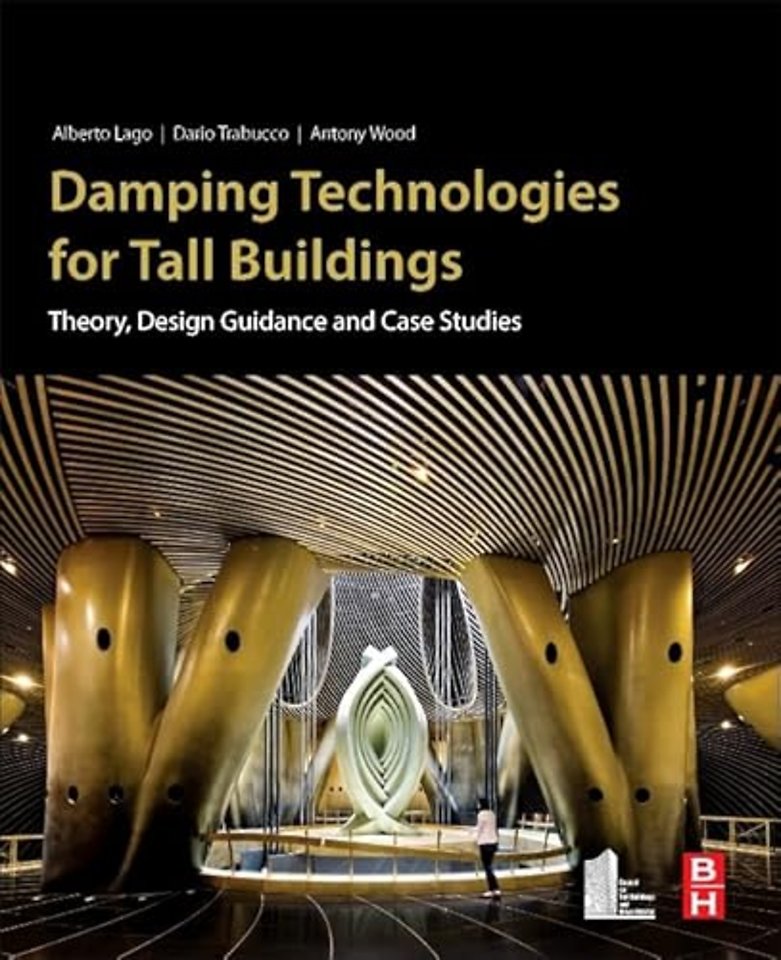
Damping Technologies for Tall Buildings provides practical advice on the selection, design, installation and testing of damping systems. Richly illustrated with images and schematics, this book presents expert commentary on different damping systems, giving readers a way to accurately compare between different device categories and gain and understand the advantages and disadvantages of each. In addition, the book covers their economical and sustainability implications. Case studies are included to provide a direct understanding on the possible applications of each device category.
Specificaties
Inhoudsopgave
<p>Part 1: Need for Supplementary Damping Devices in Tall Buildings1. Effect of Damping on Building Response2. Inherent Damping of Tall Buildings3. Improved Resiliency Through damping4. Wind-Excited Motion and Performance Objectives5. Earthquake-Excited Motion and Performance Objectives6. Practical and Economic Considerations7. Damping System Sustainability8. Alternative to Damping Devices</p> <p>Part 2: Introduction to Supplementary Damping Devices9. Passive Damping Systems10. Active, Semi-Active, and Hybrid Systems11. Multiple Damping Strategies12. Comparison of Dampers in Tall Buildings</p> <p>Part 3: Design Procedures of Buildings with Damping Devices13. Available Codes and Design Tools14. Passive Damping Systems15. Active, Semi-Active and Hybrid Systems16. Tall Building Retrofit17. Damper Strategy Optimization</p> <p>Part 4: Building System Interaction18. Architectural Appearance19. Elevators20. Mechanical Systems21. Façade</p> <p>Part 5: Testing, Inspection and Maintenance21. Pre Installation Tests22. Commissioning and System Tuning23. Fatigue of Dampers24. Building Health Monitoring25. Ongoing Maintenance26. Post Extreme Event Inspections27. Transportation, Construction and Care of Works28. USRC Rating System</p> <p>Part 6: Case Studies29. Distributed Damping Systems30. Isolated Damping Systems</p> <p>Part 6: Future of Damped Systems31. Wind Design32. Seismic Design33. Future Design</p> <p>Part 7: Conclusions34. Trend Data for Tall Buildings with Damped Devices35. Design Considerations36. Design Optimization</p>