, , , e.a.

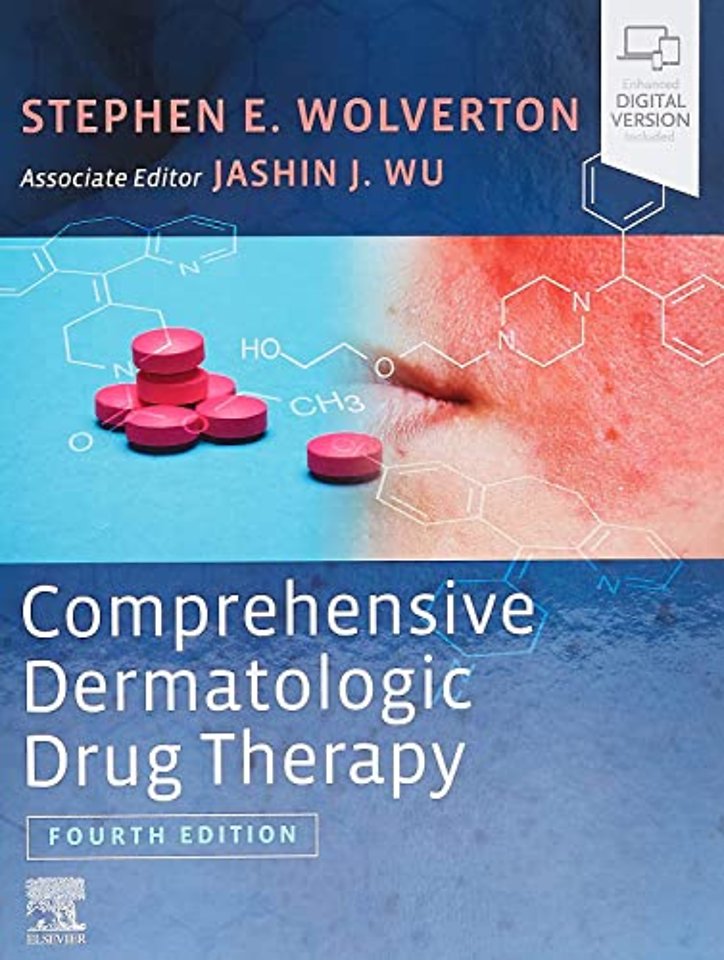
Comprehensive Dermatologic Drug Therapy

Specificaties
Gebonden, blz. | Engels
Elsevier Health Sciences | 2020
ISBN13: 9780323612111
Rubricering
Elsevier Health Sciences e druk, 2020 9780323612111
€ 179,74
Levertijd ongeveer 9 werkdagen
Gratis verzonden

Samenvatting

**Selected for Doody’s Core Titles® 2024 in Dermatology**

Designed with practical usability in mind, Comprehensive Dermatologic Drug Therapy, 4th Edition, helps you safely and effectively treat the skin disorders you’re likely to see in your practice. Dr. Stephen E. Wolverton and new associate editor Dr. Jashin J. Wu lead a team of global experts to bring you concise, complete guidance on today's full spectrum of topical, intralesional, and systemic drugs. You’ll prescribe with confidence thanks to expert coverage of which drugs to use, when to use them, and adverse effects to monitor.Includes new drug interaction tables, drug risk profiles, and FDA guidelines, as well as two new appendices that summarize chapter questions and summarize highest-risk drug interactionsCovers the best uses for new biologic therapeuticsContains new chapters covering medical decision-making principles, PDE-4 and JAK inhibitors, interleukin 17 inhibitors, interleukin 23 inhibitors, additional biologic therapeutics, and hedgehog pathway inhibitorsContains quick-access summaries of indications/contraindications, dosage guidelines, drug interactions, drug monitoring guidelines, adverse effects, and treatment protocolsFeatures a highly detailed, disease-specific index, as well as purchase information for major drugsHelps you assess your knowledge and prepare for certification or recertification with about 800 review questions and answers throughout the bookEnhanced eBook version included with purchase. Your enhanced eBook allows you to access all of the text, figures, and references from the book on a variety of devices

Specificaties

ISBN13:9780323612111
Taal:Engels
Bindwijze:Gebonden
Herdrukdatum:11-6-2026

Inhoudsopgave

<p>Part I: Introduction<br>1. Basic Principles of Pharmacology<br>2. Principles for Maximizing the Safety of Dermatologic Drug Therapy<br>3. Polymorphisms: Why Individual Drug Responses Vary<br>4. Adherence to Drug Therapy<br>5. Medical Decision Making<br><br>Part II: Important Drug Regulatory Issues<br>6. The FDA Drug Approval Process<br>7. Pharmacovigilance: Verifying that Drugs Remain Safe<br>8. Drugs Taken Off the Market: Important Lessons Learned<br><br>Part III: Systemic Drugs for Infectious Diseases<br>9. Systemic Antibacterial Agents<br>10. Systemic Antifungal Agents<br>11. Systemic Antiviral Agents<br>12. Systemic Antiparasitic Agents<br><br>Part IV: Systemic Immunomodulatory Drugs<br>13. Systemic Corticosteroids<br>14. Methotrexate<br>15. Azathioprine<br>16. Mycophenolates<br>17. Cyclosporine<br>18. Phosphodiesterase-4 and Janus Kinase Inhibitors<br>19. Cytotoxic Agents<br>20. Dapsone<br>21. Antimalarial Agents<br>22. Systemic Retinoids<br><br>Part V: Drugs Used in Conjunction with UV or Visible Light<br>23. Psoralen Plus Ultraviolet A Photochemotherapy and Other Phototherapy Modalities<br>24. Extracorporeal Photochemotherapy (Photopheresis)<br>25. Photodynamic Therapy<br><br>Part VI: Biologic Therapeutics<br>26. Tumor Necrosis Factor Inhibitors<br>27. Interleukin 12/23 Inhibitors<br>28. Interleukin 17 Inhibitors<br>29. Interleukin 23 Inhibitors<br>30. Rituximab<br>31. Additional Biologic Therapeutics: Dupilumab, Omalizumab, Others<br><br>Part VII: Miscellaneous Systemic Drugs<br>32. Antihistamines<br>33. Vasoactive and Antiplatelet Agents<br>34. Antiandrogens and Androgen Inhibitors<br>35. Psychotropic Agents<br>36. Intravenous Immunoglobulin Therapy<br>37. Systemic Anticancer Agents: Dermatologic Indications and Adverse Events<br>38. Hedgehog Pathway Inhibitors<br>39. Drugs for the Skinternist<br>40. Miscellaneous Systemic Drugs<br><br>Part VIII: Topical Drugs for Infectious Diseases<br>41. Topical Antibacterial Agents<br>42. Topical Antifungal Agents<br>43. Topical and Intralesional Antiviral Agents<br>44. Topical Antiparasitic Agents<br><br>Part IX: Topical Immunomodulatory Drugs<br>45. Topical Corticosteroids<br>46. Topical Retinoids<br>47. Topical and Intralesional Chemotherapeutic Agents<br>48. Topical Calcineurin Inhibitors<br>49. Topical Vitamin D3<br><br>Part X: Miscellaneous Topical Drugs<br>50. Sunscreens<br>51. Therapeutic Shampoos<br>52. α-Hydroxy Acids<br>53. Chemical Peels<br>54. Products for the Care of Chronic Wounds<br>55. Agents Used for Treatment of Hyperkeratosis<br>56. Irritants and Allergens: When to Suspect Topical Therapeutic Agents<br>57. Miscellaneous Topical Agents<br><br>Part XI: Injectable and Mucosal Routes of Drug Administration<br>58. Local Anesthetics<br>59. Injectable Dermal and Subcutaneous Fillers<br>60. Botulinum Toxin Injections<br>61. Oral Mucosal Therapeutics<br><br>Part XII: Major Adverse Effects From Systemic Drugs<br>62. Hepatotoxicity of Dermatologic Drug Therapy<br>63. Hematologic Toxicity of Drug Therapy<br>64. Drug-induced Malignancy<br>65. Dermatologic Drugs During Pregnancy and Lactation<br>66. Drug Interactions<br>67. Cutaneous Drug Reactions With Systemic Features<br><br>Part XIII: Special Pharmacology and Therapeutics Topics<br>68. Informed Consent and Risk Management<br>69. Compounding in Dermatology<br>70. Dermatologic Drug Therapy in Children<br><br>Appendix<br>I Core Questions for Understanding Systemic Dermatologic Drugs<br>II The Most Potentially Serious Drug Interactions</p>
€ 179,74
Levertijd ongeveer 9 werkdagen
Gratis verzonden

Rubrieken

    Personen

      Trefwoorden

        Comprehensive Dermatologic Drug Therapy